
Inheritance Articles
Easy reads on Islamic inheritance law, family trees and settling an estate — published daily, written with AI assistance.
 Inheritance When There Are Non-Muslim Heirs: Their Status and Share
Relatives of a different religion do not automatically inherit. See the legal basis in KHI, what they can still receive through a will (wasiat) or gift (hibah), and a calculation example.
Read morearrow_forward
 Heirs Who Owe Debts to the Deceased: How to Calculate and Settle Them
An heir's debt to the deceased is not merely a private matter. In Islamic inheritance, that receivable is part of the inheritance and can be offset against the heir's share. See the example and steps.
Read morearrow_forward
 Bequest to an Heir: When It Is Valid and When It Is Void According to KHI
A bequest to a child or wife who is also an heir does not automatically take effect. According to KHI, such a bequest is valid only if all other heirs consent to it. See the one-third limit, the conditions, and a calculation example.
Read morearrow_forward
 Inherited Property Controlled by One Heir: Fair and Safe Steps
When one heir controls a house, rice field, or inherited savings, the rights of other heirs remain. Learn the steps for deliberation, calculating shares, and how to resolve it fairly.
Read morearrow_forward
 Inheritance in Unregistered Marriages (Nikah Siri): The Position of the Wife and Children Not Yet Recorded
A nikah siri is valid religiously but not yet recorded at the KUA. What is the position of the wife and children in the division of inheritance? Here is the explanation, sample calculations, and administrative steps.
Read morearrow_forward
 Inheritance After Divorce: Do Former Husbands or Wives Still Inherit?
A final divorce generally severs the inheritance relationship between a former husband and wife. Children still inherit from both parents. Understand the limits, including revocable divorce (talak raj'i) during the waiting period (iddah), which the scholars dispute.
Read morearrow_forward
 Inheritance When There Is No Child: Shares of Husband, Wife, Mother, and Father
Without descendants, the shares of husband and wife are actually larger, and siblings may also inherit. See the order and complete calculation examples down to the rupiah.
Read morearrow_forward
 Who Are the Heirs According to KHI and What Is Their Order
KHI regulates who is entitled to inherit: through blood relation or marriage, being Muslim, and not legally barred. See the order of priority, barriers, and examples.
Read morearrow_forward
 Example of Inheritance Calculation: Wife Passes Away Leaving Husband, Father, and Two Daughters
When a wife passes away leaving a husband, father, and two daughters, the sum of the heirs' shares turns out to exceed one. This is an example of the 'aul case and how to calculate it step by step with whole numbers.
Read morearrow_forward
 Example of Inheritance Calculation: A Husband Passes Away Leaving a Wife and Children
Two examples of Islamic inheritance calculations with figures that add up exactly: wife, mother, sons, and daughters, complete with the basis for each share and the rupiah details.
Read morearrow_forward
 Disbursing the Deceased's Savings and Deposits: Documents and Steps
The savings and deposit balances of a deceased person are inheritance assets. Learn the documents usually requested by banks, the role of the Religious Court, and how to distribute them according to faraid.
Read morearrow_forward
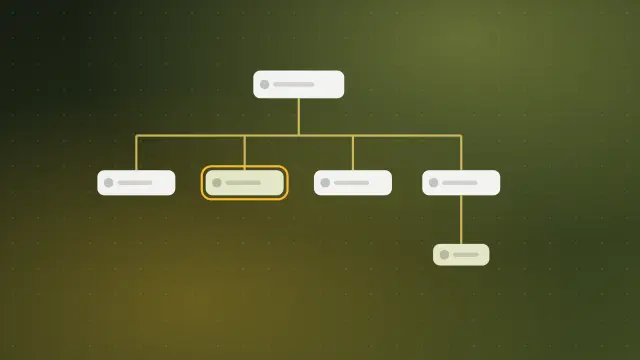 Compiling a Family Tree as the Basis for Islamic Inheritance Distribution
A tidy family tree is the foundation of fair inheritance distribution. A guide to recording family data, steps to compile it, and simple examples that are easy to follow.
Read morearrow_forward
rss_feed RSS feed