
Inheritance Articles
Easy reads on Islamic inheritance law, family trees and settling an estate — published daily, written with AI assistance.
 Inheritance Share of Minor Children: Who Manages It and How
Minor children remain full heirs. Their share may not be taken by the parents. See who manages it, how to record it, and an example calculation.
Read morearrow_forward
 Tax and BPHTB on Inherited Land or Buildings: A Guide for Families
When receiving inherited land or buildings, heirs need to understand BPHTB and other taxes. This article explains the calculations, documents, and practical steps.
Read morearrow_forward
 Example of Inheritance Calculation: Wife Passes Away Leaving Husband, Father, and Two Daughters
When a wife passes away leaving a husband, father, and two daughters, the sum of the heirs' shares turns out to exceed one. This is an example of the 'aul case and how to calculate it step by step with whole numbers.
Read morearrow_forward
 Example of Inheritance Calculation: A Husband Passes Away Leaving a Wife and Children
Two examples of Islamic inheritance calculations with figures that add up exactly: wife, mother, sons, and daughters, complete with the basis for each share and the rupiah details.
Read morearrow_forward
 Family Deliberation (Tasaluh and Takharuj) in Inheritance Distribution
Tasaluh and takharuj are peaceful ways to resolve inheritance distribution. Learn the conditions, examples, and practical steps so the family remains harmonious.
Read morearrow_forward
 Inheritance of Shares, Family Businesses, and Digital Assets: A Practical Guide
Today's inherited wealth is not only houses and rice fields. Shares, family businesses, and digital assets must also be calculated and divided according to faraid. Here is how to understand and prepare for it.
Read morearrow_forward
 Adab and Ethics of Distributing Inheritance in Islam so the Family Remains Harmonious
Distributing inheritance is not merely a calculation, but also a matter of adab and ethics. This article discusses the correct attitude in Islam when distributing inheritance, from intention, deliberation, to maintaining family relationships. Equipped with practical steps and examples.
Read morearrow_forward
 Maximum One-Third Bequest and Mandatory Bequest (Wasiat Wajibah) for Adopted Children
Understand the rules of bequest (wasiat) in Islam: the maximum limit of one-third of the estate, mandatory bequest (wasiat wajibah) for adopted children, and how to calculate them correctly according to KHI.
Read morearrow_forward
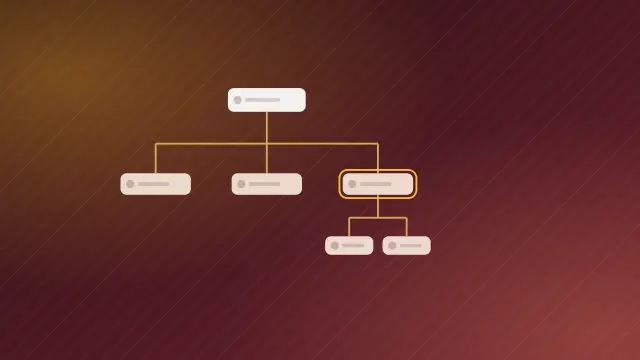 Parental Grants to Children and Their Relation to Inheritance
A grant (hibah) is a parent's gift to a child during their lifetime. How does it relate to inheritance? See the explanation, calculation examples, and a practical checklist.
Read morearrow_forward
 Share of Sons and Daughters 2:1 in Islamic Inheritance
Why do sons receive twice the share of daughters? This is the legal basis, when the 2:1 rule applies, an example calculation that adds up exactly, and its wisdom.
Read morearrow_forward
 Certificate of Heirs and Determination of Heirs: How to Arrange Them
Many banks and BPN ask for proof of who the heirs are. Recognize the difference between a Certificate of Heirs and a Determination of Heirs from the Religious Court, the documents that need to be prepared, and the steps to arrange them.
Read morearrow_forward
 Differences Between Islamic Inheritance, Customary Inheritance, and Civil Inheritance in Indonesia
In Indonesia, there are three inheritance systems in effect. Know the differences so that Muslim families do not take the wrong step in dividing assets.
Read morearrow_forward
rss_feed RSS feed